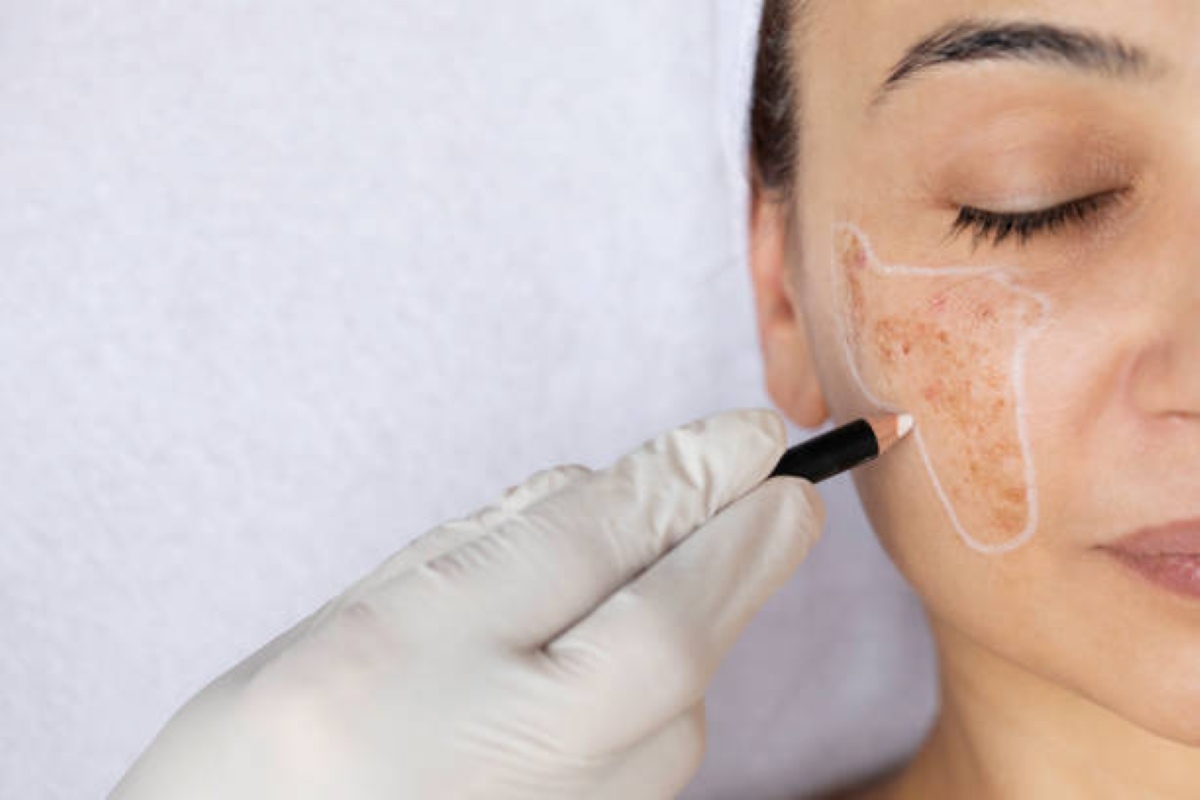
Pigmentation was one of those issues with your skin that you tried to hide under makeup for years, the dark spots on your cheeks, the patches on your forehead – all these gradually affected your self-confidence, but instead of hiding it, you need to understand what is happening beneath the surface, and once you understand that, everything will change.
So here what I have learned – in the simplest, most genuine way – is about controlling pigmentation naturally, gently, and patiently.
What is Pigmentation, Really?
Pigmentation occurs when your skin starts producing excess melanin in certain areas, which manifests as dark spots, patches, or variations in skin color – especially on the face, neck, and hands. Sometimes, melanin can be overly prominent in one area, leading to the formation of dark spots or patches, which is referred to as hyperpigmentation.
It can be triggered by: Sun exposure, Acne scars that leave marks, Hormonal changes (like PCOS or pregnancy), Skin inflammation or injuries, Even stress or harsh skin care products.

Step 1: protect First, Treat Later: Before treating pigmentation, you need to protect your skin from more damage.
>Sunscreen: And not just when you’re outdoor. Even indoor light, mobile screens, and window sun can trigger pigmentation. . Use a broad spectrum SPF30 or higher, every single day . Reapply if you’re out in the sun for long time . Wear hats or sunglasses when needed
Pro Tips: A good sunscreen is the most powerful anti- pigmentation product you’ll ever own

Step 2: Gentle skincare versus aggressive scrubbing: There’s nothing about skin tone that you can scrub away, in fact, harsh scrubs or skin peels can make it worse.
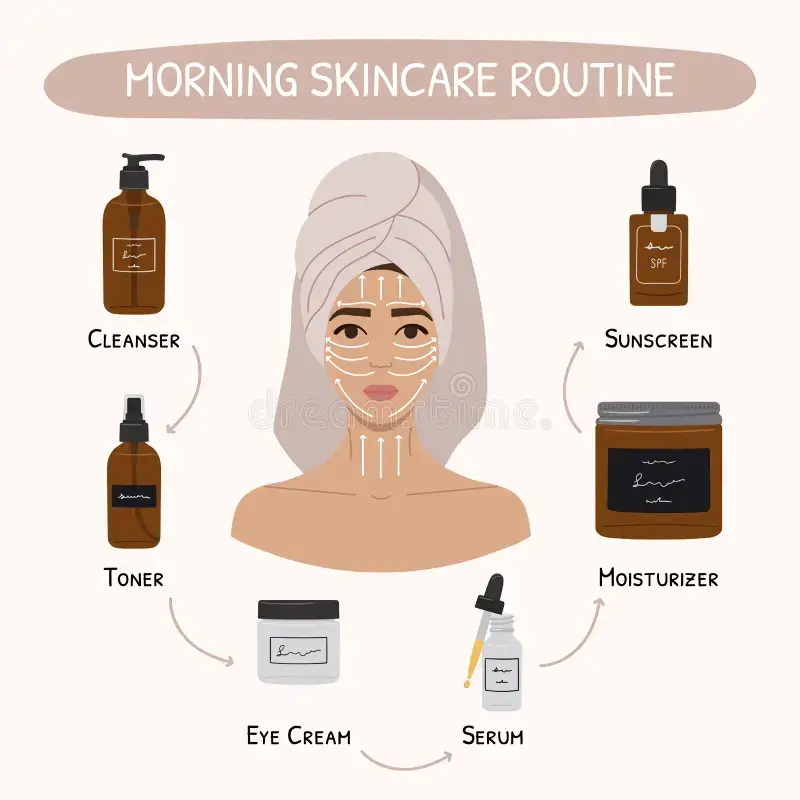
Instead, you can try this – use a gentle cleanser (unscented is best),
>Apply niacinamide or vitamin C serum to brighten the skin,
>Avoid alcohol-based toners or strong exfoliants, keep the skin hydrated with aloe vera gel or soothing creams.
>Look for ingredients you can try: licorice root extract, kojic acid, azelaic acid, alpha arbutin, which help to gradually reduce these spots without damaging your skin barrier.

Step 3: Heal your body from within- Heal your skin from the inside – Color is not just on the skin – it is often a reflection of what is happening inside your skin.
Here are the things that have been helpful for me: Drink more water, at least 2.5 liters, eat foods that are rich in vitamins, fiber, and antioxidants (such as lemons, berries, green leafy vegetables, pineapple). Include zinc, iron, and omega-3 in your diet. Manage stress, which can trigger hormonal color.
Tips: Starting the morning with warm water + lemon or amla juice can increase the glow of your skin with time.

Step 4: Be Consistent & kind- Pigmentation doesn’t fade in a week. It takes patience, love, and routine. Some days you’ll look in the mirror and feel nothing’s changing. But trust me- those tiny shifts are happening under the surface.
>Avoid switching products too often
>Stick to a morning and night skincare ritual
>Take weekly pictures instead of checking daily.
Final words:
There is nothing wrong with your skin- pigmentation does not define your beauty. It is your skin that wants care, not improvement. Whether it is due to sunlight, stress or blemishes- your skin still deserves your love. And the more you approach it with tenderness, the more it will respond with radiance, beauty and tenderness. You are not running after perfect skin – you are building a healthy relationship with it. And that is the most beautiful thing.



Leave a Reply